Are Old Sewing Machines Worth Money?
Are Old Sewing Machines Worth Money?
The short answer is: sometimes, but not always.
That dusty vintage Singer in your attic could be worth hundreds of dollars. But the mass-produced plastic sewing machine from the 1980s? Probably not.
Here's what actually determines whether an old sewing machine has real value — and when it makes more sense to invest in modern industrial equipment instead.
What Makes an Old Sewing Machine Valuable?
Brand Matters Most
Singer dominates the collectible market — especially the Featherweight 221, produced from 1933 to 1968. These compact machines regularly sell for $400 to $700, with rare colors fetching even more. The Singer 301A ("Featherweight's big sister") often sells in the $400–$700 range.
Swiss and German brands also hold value. Bernina and Pfaff machines are prized for their mechanical precision and durability. A Bernina 530 Record in good condition can fetch $400–$800, while a Pfaff 130 typically sells for $300–$600.
Condition Is Everything
Working models in clean condition sell for $200–$400, while mint examples with original attachments fetch much more. Rust, missing parts, or amateur "restorations" significantly reduce value.
Original Accessories Add Value
The original manual, attachments, case, and cabinet signal to buyers that the machine was cared for. Missing these can cut value substantially.
Age Alone Doesn't Guarantee Value
Most old sewing machines sell for $25 to $400. Mass-produced plastic-body machines from the 1970s and 1980s rarely fetch much, even in working condition.
Quick Value Reference
| Machine | Typical Price Range |
|---|---|
| Singer Featherweight 221 | $300 – $800+ |
| Singer 301A | $400 – $700 |
| Bernina 530 Record | $400 – $800 |
| Pfaff 130 | $300 – $600 |
| Common vintage Singer (treadle) | $150 – $350 |
| Mass-produced 1970s plastic machines | $25 – $100 |
The Hard Truth About Old Machines
Even the most valuable vintage machine is still a single-needle, straight-stitch machine from a different era. It cannot handle the speed, automation, or production demands of a modern garment factory.
For serious production, the real value isn't in how old the machine is — it's in how reliable, efficient, and productive it is.
When to Buy New Instead
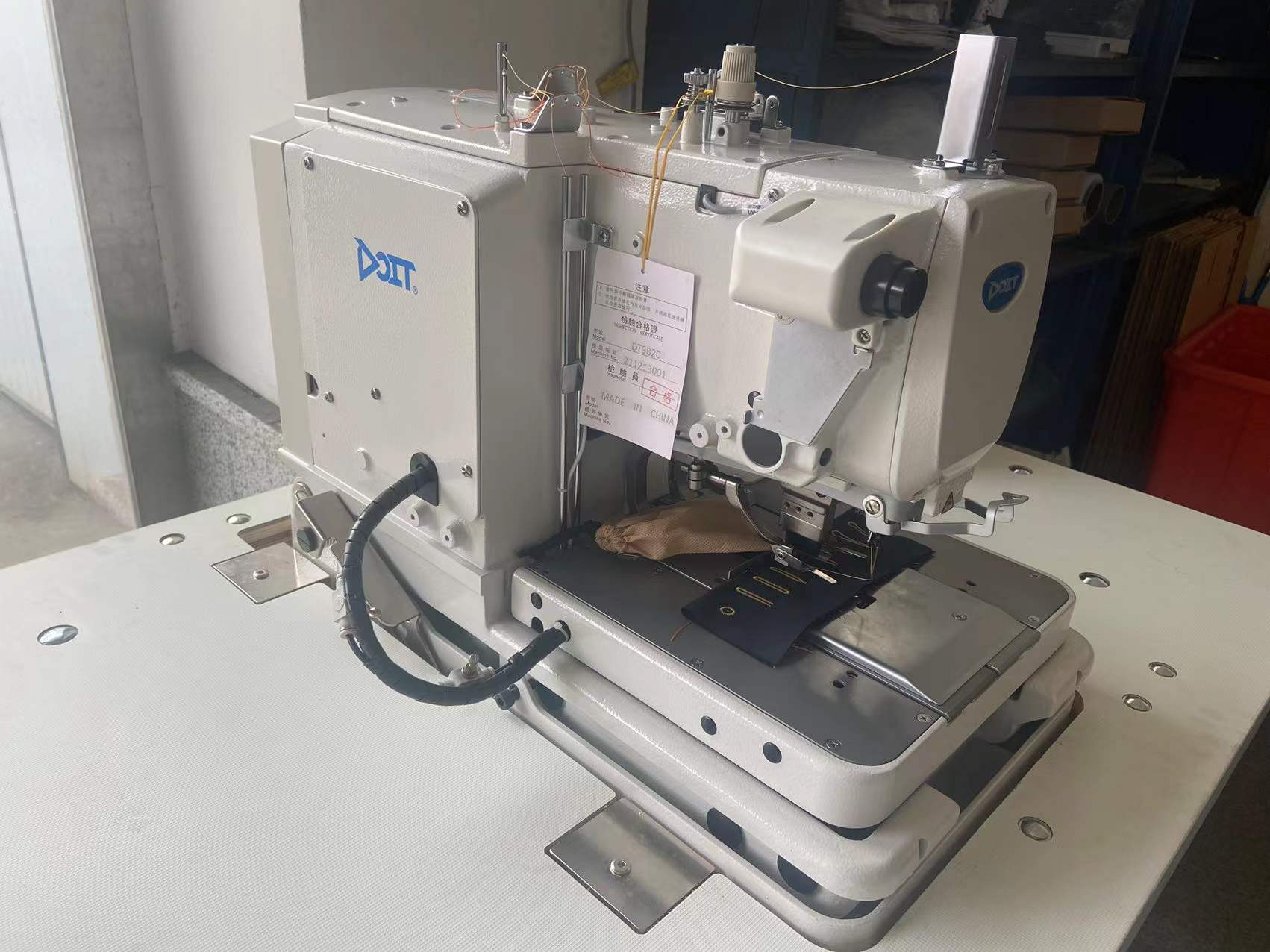
If you're starting a garment business or scaling up production, modern industrial machines from DOIT Group offer what vintage machines cannot:
-
Speed: 4,000–5,500 stitches per minute (vs. 800–1,100 on vintage machines)
-
Energy efficiency: Direct-drive servo motors that save up to 70% on electricity
-
Automation: Automatic thread trimming, programmable stitching, stepper motor precision
-
Reliability: Designed for 8-hour shifts, not occasional use
-
Parts availability: Standard 135×17 needles and widely available components
DOIT Group, based in Taizhou, China, manufactures a full range of industrial lockstitch, overlock, and specialty machines exported to over 20 countries across America, Europe, Asia, Africa, and Latin America. All machines are ISO9002-certified, with CE and UL safety marks, one-year warranty on parts, and two-year warranty on the motor.
The Bottom Line
Old sewing machines can be worth money — if they're the right brand, in excellent condition, and complete with original accessories. But unless you're a collector or a vintage enthusiast, the real value lies in what a machine can do for your production today.
For a garment factory, the most valuable machine isn't the oldest — it's the one that runs reliably, shift after shift.
Ready to invest in reliable, modern industrial sewing equipment? Explore DOIT Group's full range at doitsewingmachine.com or contact us for a free consultation.
📩 Email: sales6@chinadoit.cn
🌐 Website: doitsewingmachine.com
3-Thread vs 4-Thread vs 5-Thread Serger: A Technical Comparison for Professional Buyers
What Is the Most Trouble‑Free Sewing Machine?