Can We Stitch Jeans with a Normal Sewing Machine?
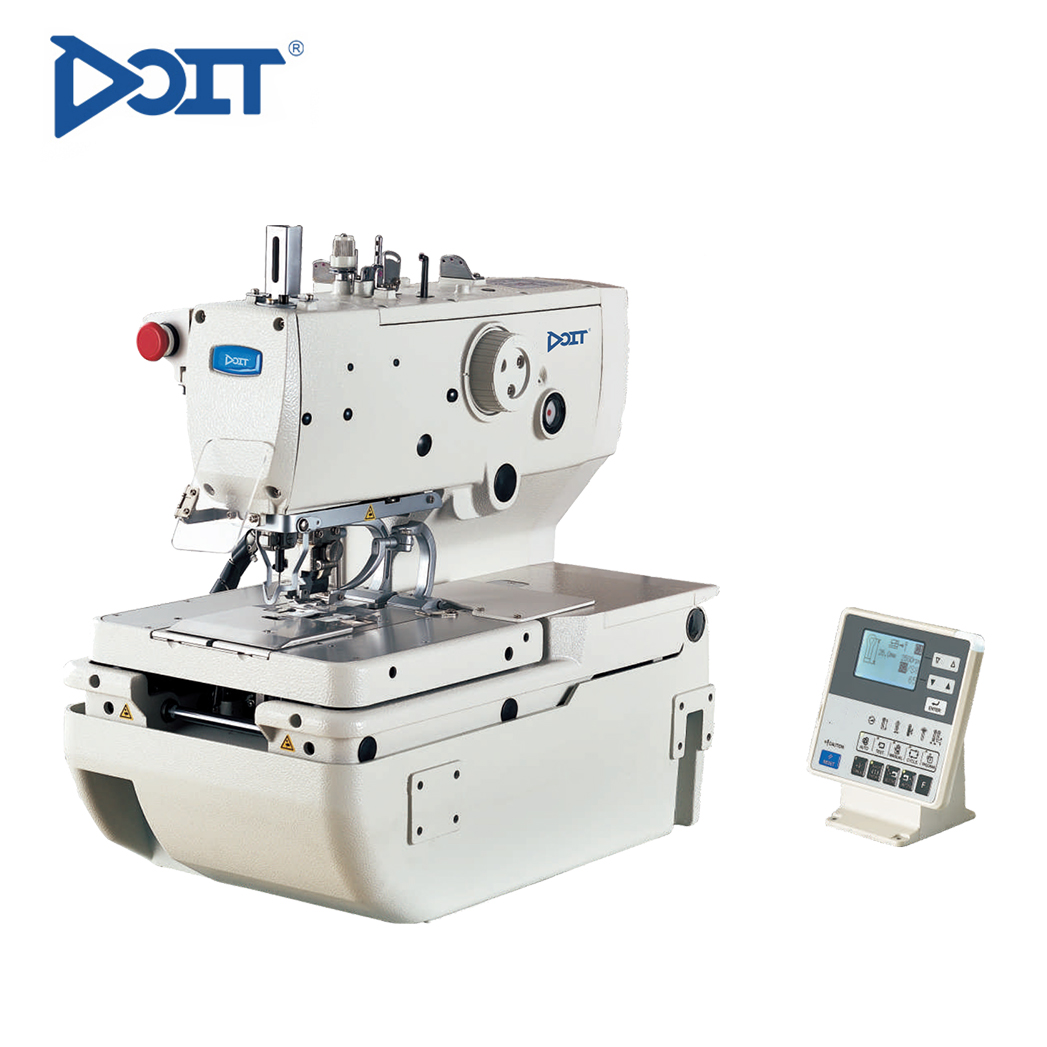
Can We Stitch Jeans with a Normal Sewing Machine?
Yes, you can stitch jeans with a normal (home) sewing machine – but with important limitations.
A standard domestic machine can handle lightweight to medium‑weight denim (up to about 10–12 oz) if you use the right needle, thread, and technique. However, for heavy raw denim (14 oz+), multiple thick layers (e.g., hemming over flat‑felled seams), or daily production, you will quickly reach the limits of a home machine. Here is what you need to know before you start.
1. What “Normal” Sewing Machine Means
A normal/home sewing machine typically has:
-
A lightweight motor (0.5–1.0 amp, ~50–100 watts)
-
Plastic or mixed metal/plastic internal gearing
-
Maximum speed of 800–1,100 stitches per minute
-
Intermittent duty cycle – needs to rest after continuous heavy sewing
In contrast, an industrial machine has a high‑torque external servo motor (up to 750 watts), all‑metal construction, and runs 4,000–5,500 SPM for 8+ hours daily.
2. What Denim Can a Normal Machine Sew?
| Denim Type | Weight (oz/yd²) | Can a Normal Machine Handle It? |
|---|---|---|
| Lightweight (summer jeans, shirts) | 6 – 9 oz | ✅ Yes – easily, with standard universal needle (#12/80) |
| Medium (classic everyday jeans) | 10 – 12 oz | ✅ Yes – but use a denim needle (#14/90 or #16/100) and go slowly over thick seams |
| Heavy (workwear, raw denim) | 13 – 15 oz | ⚠️ Possible but difficult – expect needle breakage, skipped stitches, and motor strain |
| Extra heavy (16 oz+) | 16+ oz | ❌ Not recommended – risk of damaging the machine's timing or motor |
The critical test: if your machine stalls, makes a clunking sound, or cannot pull the fabric under the presser foot when you hit a seam crossing (e.g., side seam + hem), you have reached its limit.
3. Essential Setup for Sewing Jeans on a Normal Machine
If you decide to try, you must change four things from your normal sewing setup:
a) Needle – Use a Denim/Jeans Needle
Do not use a universal or ballpoint needle. A denim needle (also called "jeans needle") has a sharp, reinforced point and a stronger shaft. For home machines (HA×1/130/705H system), use:
| Denim Weight | Recommended Needle Size |
|---|---|
| 8–10 oz | #12/80 or #14/90 |
| 10–12 oz | #14/90 or #16/100 |
| 12–14 oz | #16/100 (maximum safe size for most home machines) |
Never use a #18/110 or larger on a normal machine – the needle eye may strike the hook and break timing.
b) Thread – Use Heavy Polyester or Topstitching Thread
-
For construction seams: #50–#60 polyester (standard good quality thread)
-
For visible topstitching: #40 topstitching thread or V69 bonded polyester (thicker, creates the classic jeans look)
Avoid cheap cotton thread – it will shred on denim's abrasive surface.
c) Tension – Increase Upper Thread Tension
Start with upper tension dial at 5–6 (higher than your usual 4). Test on a scrap: the stitch lock should be buried in the middle of the layers, not floating on top or below.
d) Stitch Length – Lengthen It
| Denim Weight | Stitch Length |
|---|---|
| 8–10 oz | 2.5 – 3.0 mm |
| 10–12 oz | 3.0 – 3.5 mm |
| 12–14 oz | 3.5 – 4.0 mm |
Longer stitches reduce needle perforations and make the seam stronger.
4. Techniques to Avoid Breaking Your Normal Machine
-
Go slow over thick seams – When you approach the fly crossing, waistband overlap, or flat‑felled side seam intersection, reduce speed to the lowest setting. Hand‑wheel manually if necessary.
-
Use a “hump jumper” or folded fabric – Raise the presser foot, place a folded piece of fabric behind the needle to keep the foot level when climbing a bulky seam.
-
Lift the presser foot and re‑lower it – At each thick crossing, stop with needle down, lift foot, reposition the fabric stack, lower foot, then continue. This prevents the foot from jamming.
-
Do not force the fabric – If the machine resists, stop. Forcing can bend the needle bar or break the hook.
-
Change needle every 4–6 hours of sewing – Denim dulls needles much faster than cotton. A dull needle causes skipped stitches and shredded thread.
5. What a Normal Machine Cannot Do Well
| Task | Normal Machine | Industrial Machine |
|---|---|---|
| Sew through 6+ layers of 14 oz denim | ❌ Will stall or break needle | ✅ Handles easily |
| Topstitch with V92 thread | ❌ Eye too small, thread shreds | ✅ Designed for heavy thread |
| Run 8 hours daily | ❌ Motor overheats | ✅ Continuous duty |
| Automatic thread trimmer, backtack, presser foot lift | ❌ Not available | ✅ Common on modern industrials |
| Consistently sew flat‑felled inseams without shifting | ⚠️ Requires skill and luck | ✅ Walking foot or specialized machine |
6. When Should You Upgrade to an Industrial Machine?
Consider buying an industrial lockstitch machine if:
-
You plan to sew more than 2–3 pairs of heavy jeans per week.
-
You regularly break needles or hear your home machine straining.
-
You want to use thick topstitching thread (V69 or V92) for professional results.
-
You are starting a small jeans production business.
Industrial machines are not impossibly expensive. A basic direct‑drive lockstitch (e.g., DOIT 5550 or 8800‑D4) with servo motor costs between $800–1,200 new – less than many high‑end home embroidery machines. It will sew through any denim stack effortlessly, run all day, and last for decades.
7. DOIT Group – Reliable Industrial Machines for Denim
For garment factories or serious denim sewists ready to move beyond home machines, DOIT Group offers a complete range of industrial lockstitch and overlock machines built specifically for heavy fabrics:
-
DT 5550 – Standard high‑speed lockstitch, works perfectly with #18–20 denim needles and V92 thread.
-
DT8800‑D4 – Direct‑drive lockstitch with auto‑trimmer and 15 mm presser foot lift, ideal for bulky waistbands and hems.
-
DT C10‑D4 – Computerized lockstitch with stepper motor for precise stitch control on heavy stacks.
-
DT 1508P – Multi‑needle double chainstitch machine (4 needles, 8 threads) for professional waistband and hem production at 4,500 SPM.
All DOIT machines use the standard 135×17 needle system, are ISO9002‑certified, and come with CE/UL/TUV safety marks. Servo motors save up to 70% electricity compared to old clutch motors.
Final Verdict
Yes, a normal sewing machine can stitch lightweight to medium denim – if you equip it with a denim needle, heavy thread, longer stitch length, and go slowly over thick seams. For occasional jeans making (2–3 pairs a month), your home machine will survive.
But for heavy denim, thick stacks, daily use, or professional results, an industrial machine is not a luxury – it is the right tool. The time, frustration, and broken needles you avoid will quickly pay for the upgrade.
Ready to move up to a real denim‑sewing machine?
Contact DOIT Group for a free consultation and quote on industrial lockstitch, overlock, or multi‑needle chainstitch machines. We will match the right equipment to your fabric weight and production volume.
📩 Email: sales6@chinadoit.cn
🌐 Website: doitsewingmachine.com
The First Question: What Denim Weight Are You Sewing?
How expensive is it to make your own jeans?