How do you pick your first sewing machine?
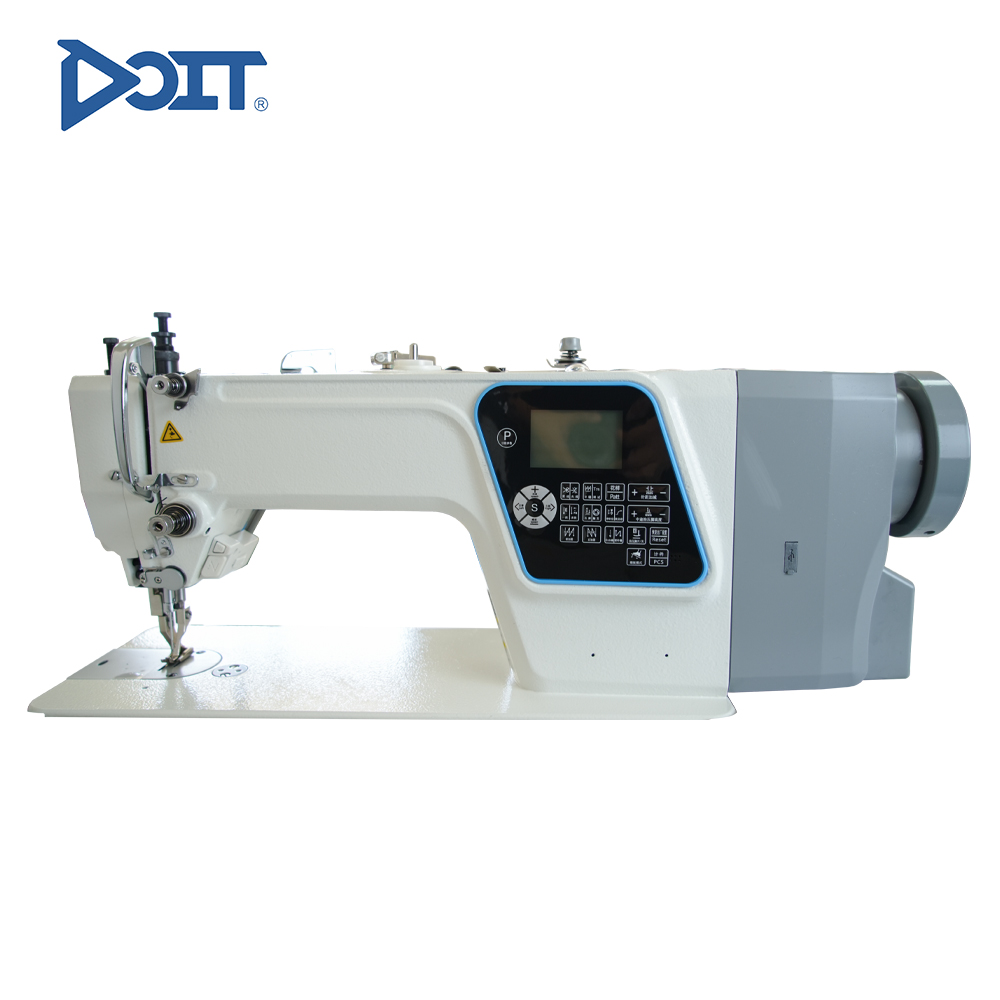
Picking your first sewing machine is an exciting step. Whether you dream of starting a small clothing line or simply making clothes for yourself, the right machine makes all the difference. This guide will help you navigate the options and find the perfect match for your goals and budget.
🤔 Step 1: What Will You Be Sewing?
Before looking at any machine, define your primary use. This is the most important question you'll answer.
-
Simple Fixes & Occasional Projects: If you're mostly mending clothes, hemming pants, or making simple crafts like pillowcases, a basic home machine will be more than enough.
-
Regular Clothes Making: If you plan to make clothes, bags, or home décor items regularly, you'll need a machine with more features, like adjustable stitch length and width.
-
Starting a Small Business: For those aiming to produce garments in small batches or as a business, a heavy-duty home machine or a simple industrial machine is a wiser investment.
🏠 vs. 🏭 Step 2: Home Machine or Industrial Machine?
This is the biggest decision you'll make. The table below breaks down the core differences.
| Feature | Home Sewing Machine | Industrial Sewing Machine |
|---|---|---|
| Core Purpose | Versatile, handles many stitch types for various projects. | Specialized, typically excels at one type of stitch (usually straight stitch) at high speed. |
| Speed | 800 - 1,100 stitches per minute (SPM). | 4,000 - 5,500 SPM. |
| Main Use | Ideal for beginners, hobbyists, and light to medium projects. | Best for professionals, small businesses, and high-volume production. |
| Durability | Built for intermittent use; may struggle with very thick fabrics. | Built for continuous, heavy-duty use; can handle thick materials like denim and leather with ease. |
| Complexity | Generally easier to learn, with features like automatic needle threading. | Can be more complex to set up and maintain, requiring some technical knowledge. |
| Cost | More affordable, with good beginner models starting around $100-$200. | More expensive, with entry-level models often costing $500-$1000+. |
| Space | Compact and portable, easily stored away. | Large and heavy, requiring a dedicated workstation. |
Quick Decision Guide:
-
For a true beginner who is unsure about long-term commitment: A basic home machine is the perfect, low-risk starting point. These machines are easy to learn on, and if you decide sewing isn't for you, they have good resale value.
-
For someone with a clear plan to start a small business: An industrial straight-stitch machine is a smart investment. Its speed, power, and durability will allow you to produce high-quality work efficiently and scale your production. As one industry professional put it, it’s like "upgrading from a butter knife to a chainsaw".
✅ Step 3: Key Features to Look For in a Home Machine
If you decide a home machine is right for you, here are the must-have features:
-
Metal Frame: Look for a machine with a metal or aluminum chassis, not just plastic. This provides stability and durability, especially when sewing thicker fabrics.
-
Adjustable Stitch Length and Width: This is essential for different fabrics and projects. It's what separates a good machine from a basic one.
-
Essential Stitches: You don't need hundreds of stitches. Focus on machines that offer the basics: a straight stitch, a zigzag stitch (for finishing edges), and a buttonhole function.
-
Automatic Needle Threader: This small feature is a huge time-saver and frustration-preventer, especially for beginners.
-
Good "Feed Dogs": The feed dogs are the metal teeth under the presser foot that move the fabric. Ensure they are sturdy and can grip fabric well.
-
Sufficient Motor Power: A motor of at least 80W is recommended to prevent the machine from stalling on thicker materials.
💰 Step 4: Budgeting for Your First Machine
Your budget will largely determine your options. Here’s a rough guide:
-
$100 - $250: Entry-level home machines. Good for beginners on a tight budget who plan to sew light to medium-weight fabrics.
-
$250 - $500: Mid-range home machines. Offer better build quality, more stitch options, and can handle a wider variety of projects.
-
$500 - $1000+: High-end home machines and entry-level industrial machines. For serious hobbyists and those starting a small business.
💡 Step 5: Final Tips for First-Time Buyers
-
Avoid "Toy" Machines: Stay away from machines costing under $100. They are often made of cheap plastic and will break easily, especially when sewing thicker fabrics.
-
Don't Get Distracted by Gimmicks: A machine with 200 stitches is not necessarily better than one with 20. You will likely only use a handful of them regularly.
-
Buy a New Machine: Unless you have an experienced friend to help you evaluate it, buying a used machine can be risky. It may have hidden problems that are difficult for a beginner to diagnose and fix.
-
Invest in Good Tools: Don't forget to budget for essential accessories like good fabric scissors, a seam ripper, and extra needles. They are just as important as the machine itself.
-
Think About Your First Projects: Start with stable, easy-to-sew fabrics like medium-weight cotton. Avoid slippery or stretchy fabrics until you've built some confidence.
🚀 Ready for the Next Level? Explore DOIT Group's Industrial Solutions
If you're looking to start a small business or scale up your production, industrial machines from DOIT Group offer the power, speed, and reliability you need. DOIT Group is a professional manufacturer and exporter of garment equipment based in Taizhou, China.
Here are two excellent models to consider for a small business:
-
DT 5550 High-Speed Single-Needle Lockstitch: This is a classic workhorse, perfect for general garment construction. It's designed for speed and durability, capable of handling a wide range of fabrics.
-
DT 940-4AT High-Speed Automatic Overlock: An overlocker (or serger) is essential for creating professional, clean seams and finishing edges, especially on stretchy fabrics. The DT 940-4AT is a powerful and efficient machine that will give your products a polished, store-bought finish.
DOIT machines are built with a robust metal construction, powerful motors, and are designed for continuous use, making them a fantastic investment for a growing business.
🎯 Summary: Which Path is Right for You?
Your choice depends on your ambition and budget.
| Your Profile | Recommended Machine |
|---|---|
| True Beginner, Unsure | A basic, sturdy home machine from a reputable brand. |
| Regular Hobbyist, Making Clothes for Self/Family | A mid-range home machine with adjustable stitch length and width. |
| Aspiring Professional, Starting a Small Business | An industrial straight-stitch machine (like a DOIT DT 5550) and, if possible, an overlocker (like a DOIT DT 940-4AT). |
Choosing your first sewing machine is a personal journey. By honestly assessing your needs and understanding the differences between machine types, you can make a confident decision that will set you up for success.
If you're ready to explore the power and reliability of industrial machines for your small business, contact DOIT Group for more information.
📩 Email: sales6@chinadoit.cn
🌐 Website: doitsewingmachine.com
What Should I Buy as a Beginner Sewer? Your Complete Starter Guide
Is There a Sewing Machine That Sews by Itself?