How expensive is it to make your own jeans?
The cost to make your own jeans can range from as little as 25to25to50 for a single pair using basic materials and a home machine, to over $1,000 or more if you are setting up a small production line with industrial equipment. The final price depends entirely on the quality of materials you choose and the tools you use.
For a full picture, here’s a detailed breakdown of the costs for sewing a basic five-pocket jeans.
| Cost Category | Basic Budget DIY (1 Pair) | Serious Production (Industrial Setup) |
|---|---|---|
| 💵 Materials (Per Pair) | 20−20−45 | 8−8−25 |
| ⚙️ Equipment (One-Time) | 250−250−550+ | 1,500−1,500−3,500+ |
| ⏱️ Your Time (5-8 hours) | Priceless (or 50−50−200) | Priceless (or 50−50−200) |
| 🎨 Startup & Hidden Costs | 15−15−50 | 150−150−600+ |
| Total Approximate Cost | 25−25−50 (excluding equipment) | 1,500−1,500−3,500+ (including basic equipment) |
Let's break down each of these categories in detail.
💵 Materials: The Direct Cost Per Pair
The cost of materials is the most variable part of making jeans. Here’s what you’ll need and what you can expect to pay.
-
Denim Fabric: The largest material cost. A standard pair of jeans requires about 1.5 to 2 yards (1.4 to 1.8 meters) of fabric. Expect to pay between 5and5and20 per yard for retail denim, though wholesale prices can drop significantly. For top-quality Japanese selvedge denim, you could pay 15to15to30 or more per yard.
-
Look for deals: You can often find good-quality denim for 5−5−10 per yard in discount bins or at online fabric stores.
-
-
Thread: You need at least two types of thread. Standard construction thread for the seams, which is inexpensive, and heavy-duty topstitching thread. A spool of quality thread costs about 3−3−7.
-
Pattern: A commercial jeans pattern costs about 10−10−20. A great free alternative is to "clone" an existing pair of jeans you like by carefully taking them apart and using the pieces as a pattern.
-
Hardware: This includes the main button, fly buttons, rivets, and zipper. A full hardware kit for one pair of jeans typically ranges from 10to10to25.
-
Basic hardware: Simple, non-branded metal parts will be on the lower end of that range.
-
Premium hardware: Custom-branded or high-quality (e.g., YKK) zippers and copper rivets will increase the cost.
-
⚙️ Equipment: The Essential Tools
The type of sewing machine you have will dramatically affect the difficulty and quality of your jeans.
-
Sewing Machine (150−150−500+ for a solid home machine): While you can use a basic home sewing machine, making jeans will test its limits. At a minimum, look for a machine with a metal frame and a powerful motor. A heavy-duty home model, such as the Singer Heavy Duty or a mid-range Brother or Janome, is recommended. Some newer high-end home machines from brands like Juki can also handle denim effectively.
-
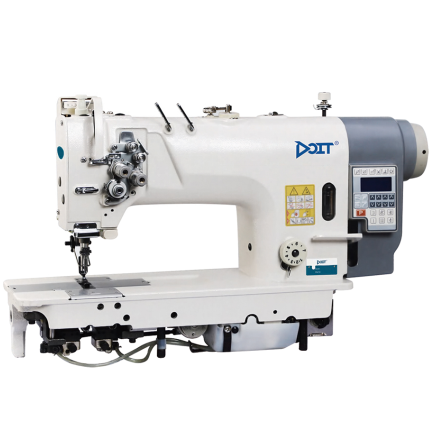
Industrial vs. Home Machine: To understand the difference, consider the table below. For serious or large-scale denim sewing, an industrial machine is the better choice for speed and stitch quality, but it demands a dedicated workspace.
| Feature | Industrial Sewing Machine | Heavy-Duty Home Machine |
|---|---|---|
| 🔩 Build | All-metal, extremely heavy & stable | Mix of metal & plastic components |
| ⚡ Motor | Powerful, separate motor under the table | Motor integrated into the machine body |
| 🔊 Noise | Louder | Quieter |
| 💪 Handling | Easily sews multiple layers of heavy denim | Can struggle with very thick seams |
| 📏 Workspace | Requires a dedicated heavy table or stand | Portable, fits on a standard desk |
| 🏷️ Price (New) | 800−800−1,500+ for a basic model | 200−200−600 |
-
Jeans-Specific Industrial Machines: For a full-scale production setting, you might invest in specialized machinery. For instance, a machine for hemming jeans (like the ZJ63900) can cost around 1,690to1,690to1,900, while a multi-needle machine for waistbands (like the DS-1105UTC) is priced around $1,300.
-
Additional Tools:
-
Hardware Tools (10−10−20): You’ll need setters for the buttons and rivets. These are small anvil-like tools that you hit with a hammer.
-
Seam Rippers, Pins, Chalk (10−10−15): Basic sewing essentials for marking and fitting.
-
Iron & Ironing Board (30−30−100+): Crucial for pressing seams flat at every stage.
-
⏱️ Your Time: The Priceless Ingredient
-
Skill Level: Sewing jeans is considered an intermediate to advanced project. They have many components (fly zipper, waistband, belt loops, flat-felled seams), each requiring specific techniques to look professional.
-
Time Commitment: An experienced sewer can make a pair of jeans in 4 to 6 hours. A pattern listing for a simple jeans pattern recommends budgeting about 8 hours.
-
What this means for cost: If you value your time at 15/hour,that’sanadditional∗∗15/hour,that’sanadditional∗∗60 to $120** on top of materials. However, for a passionate DIYer, this "cost" is often considered the value of the hobby.
-
🔧 Startup & Hidden Costs
-
First-Time Sewer's "Starter Pack" (30−30−50): If you’re new to sewing, you may not have basic tools like good fabric scissors, pins, measuring tape, or a seam ripper.
-
Washing & Finishing (2−2−10): If you want to give your jeans a specific look (stone wash, enzyme wash), doing so at home requires extra steps. Professional finishing processes like stone washing can add 1.50to1.50to4 per unit in a factory, but they are complicated to replicate at home.
-
Mistakes & Practice (15−15−30+): This is the hidden cost of learning. You will almost certainly make a mistake, cut a piece incorrectly, or ruin a zipper. Budget an extra yard of fabric for practice.
💎 Summary: Weighing Cost vs. Value
To help you decide if making jeans is right for you, compare the final cost of a pair of high-quality, custom-made jeans with what you could buy off the rack.
| Basic DIY Pair | High-End Home DIY Pair | Small Production Pair (30-50 units) | Wholesale Factory Pair (500-1000 units) | |
|---|---|---|---|---|
| 💰 Est. Cost (Materials Only) | 20−20−30 | 45−45−70+ | 15−15−25 | 8−8−15 |
| ⚙️ Equipment Investment (One-Time) | ~$250+ | ~$500+ | ~$3,000+ | ~$50,000+ for a line |
| ✅ Pros | Super low initial investment, learn a new skill, perfect fit. | Highest quality control, pride of craftsmanship, unique expression. | Low per-unit cost, consistency, brand building. | Lowest possible per-unit cost, professional finishes, speed. |
| ❌ Cons | Most time-consuming, steepest learning curve, limited quality. | High equipment cost, very time-intensive, requires significant skill. | Higher upfront risk, need to find reliable production partners (screen printing, wash). | Massive upfront investment, loss of creative control to some extent. |
Ultimately, making your own jeans is rarely about saving money. It’s about the unique, perfectly-fitted garment you get to design and the pride that comes from creating it with your own hands.
So, what’s your priority? Crafting a one-of-a-kind piece or getting the most for your money? Knowing this will guide you to the right path.
Can We Stitch Jeans with a Normal Sewing Machine?
What Needle Should I Use for Sewing Jeans? The Complete Denim Needle Guide