What I Wish I Knew Before Buying My Sewing Machine – Lessons from Real Beginners
What I Wish I Knew Before Buying My Sewing Machine – Lessons from Real Beginners
Every sewing journey starts with the same excitement — and the same question: “Which machine should I buy?” But ask anyone who’s been sewing for a while, and they’ll tell you: what you think you need and what you actually need are often two very different things.
A recent Reddit discussion asked sewists to look back and share one thing they wish they knew before buying their first machine. The answers were honest, practical, and full of hard‑won wisdom.
Here are the most valuable lessons — and how to avoid the mistakes they made.
1. “I Wish I Knew That More Stitches Doesn’t Mean a Better Machine”
Many beginners assume that a machine with 200 built‑in stitches is “better” than one with 20. It’s not. For 90% of what you’ll sew, you’ll use the straight stitch, zigzag, and maybe a buttonhole function. Everything else collects dust.
What to do instead: Focus on stitch quality, not stitch quantity. A machine that sews a perfect straight stitch every time is worth far more than one with 100 decorative stitches you’ll never touch.
2. “I Wish I Knew That ‘Heavy‑Duty’ Doesn’t Always Mean Industrial”
Brands love the term “heavy‑duty.” But sewing through multiple layers of denim or upholstery fabric is a different league from hemming curtains. Many “heavy‑duty” home machines still have plastic gears and lightweight motors that will struggle — and eventually fail — on thick materials.
What to do instead: If you plan to sew denim, canvas, or multiple layers, look for all‑metal construction and a motor with real torque. An entry‑level industrial machine is often a smarter investment than a “heavy‑duty” home machine at the same price point.
3. “I Wish I Knew How Much Maintenance Matters”
Beginners often think a sewing machine just… works. It doesn’t. Lint builds up, needles dull, tension drifts. One Redditor put it bluntly: “I didn’t realize I had to clean it out after every few projects.”
What to do instead: Before you buy, check how easy the machine is to maintain. Can you access the bobbin area easily? Is there a manual oiling system? Machines with automatic lubrication (common on industrial models) save you hours of maintenance and extend the machine’s life significantly.
4. “I Wish I Knew That the ‘Beginner’ Machine Wouldn’t Last Me a Year”
The most common regret among beginners? Outgrowing their first machine within months. They buy a $150 “starter” machine, only to realize it can’t handle thicker fabrics, slows down on long seams, or breaks under the stress of regular use.
What to do instead: If you’re serious about sewing — even as a hobby — consider skipping the “starter” tier entirely. A machine that’s built to last 10+ years is cheaper in the long run than buying two machines in two years.
5. “I Wish I Knew That Computerized Isn’t Always Better”
Computerized machines sound impressive: LCD screens, automatic everything, hundreds of stitches. But they also mean more things that can break. Circuit boards fail. Sensors malfunction. And when they do, repairs are expensive — often exceeding the machine’s value.
What to do instead: For production work, mechanical reliability beats digital convenience. A well‑built mechanical machine with a servo motor gives you speed, precision, and durability — without the electronic failure points.
6. “I Wish I Knew That the Dealer Was Upselling Me”
Many first‑time buyers walk into a shop with a budget — and walk out with a machine that costs twice as much. Dealers have a financial incentive to push you toward higher‑priced models, even when you don’t need the extra features.
What to do instead: Know exactly what you need before you talk to a salesperson. Straight stitching? Basic zigzag? Buttonholes? That’s it. Don’t let anyone convince you that you need a $2,500 machine to sew a straight line.
7. “I Wish I Knew That Needles and Thread Matter as Much as the Machine”
Beginners blame the machine for skipped stitches and broken threads — but 90% of the time, it’s the needle or the thread. Old thread, wrong needle size, or a dull point will cause problems that no machine can fix.
What to do instead: Budget for quality consumables. Use fresh needles (change every 8 hours of sewing) and good‑quality polyester thread. A $500 machine with a fresh needle and proper thread will outperform a $2,000 machine with a dull needle every time.
8. “I Wish I Knew That Speed Isn’t Everything — But It Matters”
For home use, 800 stitches per minute is fine. For production? It’s a bottleneck. Many beginners don’t realize how much faster an industrial machine sews — 4,000–5,500 stitches per minute — until they try one.
What to do instead: If you plan to sew more than a few hours a week, speed directly impacts your productivity. An industrial machine isn’t just “faster” — it’s more efficient, with stronger motors and better feed systems that keep fabric moving smoothly.
9. “I Wish I Knew That Parts Availability Matters More Than the Brand Name”
A beautiful machine is useless if you can’t get replacement parts. Many beginners buy a machine based on brand prestige, only to discover that needles, bobbins, or presser feet are hard to find — or expensive.
What to do instead: Choose a machine that uses standard, widely available parts. The 135×17 needle system, for example, is the industry standard for industrial machines. You’ll find parts anywhere, at reasonable prices, without waiting weeks for shipping.
10. “I Wish I Had Bought the Machine I Could Grow Into”
The most common sentiment? “I wish I had bought a better machine from the start.” Beginners often buy the cheapest option, thinking they’ll upgrade later. But upgrading costs more in the long run — and you lose time, money, and momentum.
What to do instead: Buy the machine that matches your aspirations, not just your current skill level. If you want to sew denim, make bags, or start a small business, invest in a machine that can handle those tasks from day one.
The Smarter Choice: DOIT Group Industrial Machines
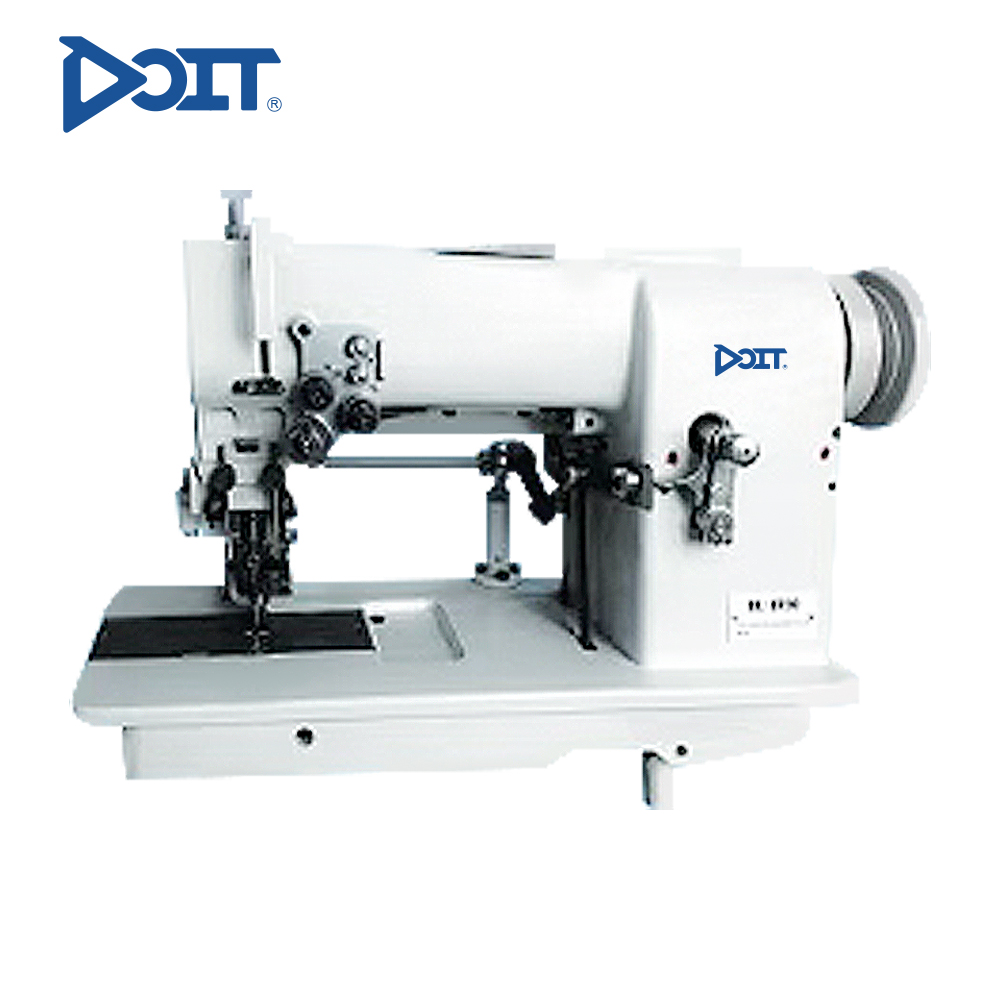
If the lessons above resonate with you — if you want a machine that’s built to last, sews fast, uses standard parts, and won’t hold you back — DOIT Group offers industrial sewing machines that check every box.
Built for reliability, not replacement:
-
All‑metal construction — no plastic gears to break
-
Direct‑drive servo motors — save up to 70% on electricity, quieter operation
-
Standard 135×17 needle system — parts available everywhere
-
Automatic lubrication — less daily maintenance, longer machine life
-
4,000–5,500 stitches per minute — production speed that home machines can’t match
-
ISO9002‑certified with CE and UL safety marks
-
One‑year warranty on parts, two‑year on the motor
Whether you’re a serious hobbyist, a cosplay creator, or a factory owner scaling production, DOIT machines are designed to grow with you — not hold you back.
Ready to skip the beginner mistakes and invest in a machine that lasts? Explore DOIT Group’s full range at doitsewingmachine.com.
📩 Email: sales6@chinadoit.cn
🌐 Website: doitsewingmachine.com
Looking for a Sewing Machine That Will Last? Here's What BIFL Enthusiasts Want You to Know
You Don't Need a $2,500 Sewing Machine – And Here's Why