Best Sewing Machine for Beginners? What I Wish I Knew Before Buying My First Machine
Best Sewing Machine for Beginners? What I Wish I Knew Before Buying My First Machine
“I'm finally ready to learn sewing, but the number of machines out there is honestly overwhelming.”
That's the opening line from a recent Reddit post in r/sewhelp—and it perfectly captures what countless beginners feel when they start their sewing journey. The post goes on to express a common dilemma: “I don't want to buy the cheapest one and regret it a few months later, but I also don't want to spend a fortune as a complete beginner.”
If you've ever asked yourself these exact questions, you're not alone. Here's what experienced sewists wish they knew before buying their first machine—and why the answer might surprise you.
1. Why Is Choosing a First Sewing Machine So Overwhelming?
The market is flooded with options: mechanical vs. computerized, 20 stitches vs. 200 stitches, budget-friendly vs. premium brands. For a complete beginner, it's paralyzing.
What makes it confusing:
-
Brand overload: Singer, Brother, Janome, Bernina—each with dozens of models
-
Feature inflation: Machines boast 100+ stitches, but beginners use maybe 3
-
Price range: From $100 to $2,000+, with no clear guidance on what's actually needed
-
Conflicting advice: One person swears by Singer, another says avoid it entirely
The Reddit reality: Even experienced sewists admit the choice is overwhelming. As one beginner noted, they didn't want to buy the cheapest and regret it, but also didn't want to overspend. The key is separating marketing hype from what you actually need.
The takeaway: Focus on function, not features. A machine that sews a reliable straight stitch and zigzag is worth more than 200 stitches you'll never use.
2. What Do Beginners Actually Need in a Sewing Machine?
Before you look at any machine, define your actual needs. Most beginners overestimate what they require and underestimate what they'll grow into.
The bare essentials for any beginner:
-
Straight stitch: For 90% of garment construction
-
Zigzag stitch: For finishing edges and sewing stretch fabrics
-
Buttonhole function: One-step is easier than four-step
-
Adjustable stitch length and width: Gives you control over your sewing
-
Drop-in bobbin: Easier to thread and monitor than front-loading
-
Automatic needle threader: Saves frustration—trust us on this
What you DON'T need as a beginner:
-
200+ built-in stitches (you'll use 3–5 regularly)
-
Computerized embroidery functions (unless that's your specific goal)
-
Expensive brand names for status (reliability matters more)
The hidden truth: Many beginners buy a "starter" machine only to outgrow it within months. The features that seem unnecessary at first become essential as skills develop.
3. Brother vs. Singer vs. Janome: What Do Real Users Say?
The Reddit sewing community has strong opinions about beginner brands. Here's what comes up repeatedly:
Brother: Widely considered the most beginner-friendly. The XM2701 is praised for being user-friendly and having more built-in stitch options than comparable Singers. The CS7000X is consistently rated as the best overall value under $250. Real-world reviews mention that threading and bobbin loading get easy fast, even for complete beginners.
Singer: The heritage brand with a complicated modern reputation. The Heavy Duty 4423 is often recommended for its durability and straightforward operation. However, some users warn that modern Singer quality isn't what it used to be—one Reddit comment noted that "QC is very bad" on some models and the Heavy Duty pedal is "very touchy" with no speed regulation. Another user bluntly stated Singer is "the lowest on the rung for 'new' machines" due to current quality and longevity concerns.
Janome: Known for build quality that lasts decades. The brand is respected for durability, though entry-level models may cost slightly more than comparable Brothers.
The Reddit consensus: For under $350, buy the best-reviewed Brother or Janome your budget allows and spend the difference on a class. Singer is worth considering only if you specifically need heavy fabric capability and are willing to accept potential reliability trade-offs.
4. Mechanical vs. Computerized: Which Is Better for Beginners?
This is one of the most debated questions in sewing circles.
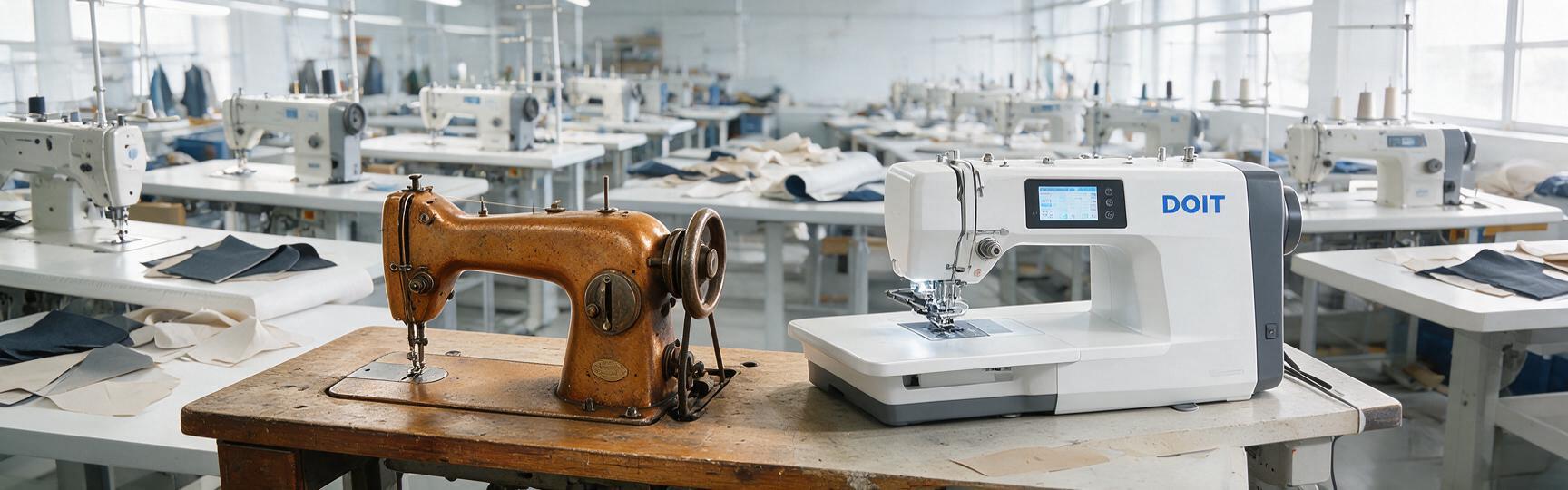
Mechanical machines have dials and levers for stitch selection and adjustment. They're simpler, more affordable, and easier to repair. The downside: fewer automatic features and a steeper learning curve for tension control.
Computerized machines have digital displays and push-button controls. They offer automatic tension, speed control, and more stitch options. The upside: easier to learn on. The downside: more things that can break, and repairs are expensive.
What Reddit users say: Beginners often prefer computerized because the automatic features reduce frustration. However, experienced sewists note that mechanical machines are more durable and teach you proper technique. One user wisely pointed out: “A million automatic stitch patterns and fancy computer-controlled features are unnecessary for a beginner”.
The sweet spot: A computerized machine with essential automation (needle threader, speed control, drop-in bobbin) but without expensive embroidery functions. This gives you ease of learning without unnecessary complexity.
5. Why Do Beginners Regret Their First Machine Purchase?
The Reddit post captures the core regret: buying too cheap and outgrowing it too fast. But there are other common regrets too:
Regret #1: Buying based on price alone. The cheapest machine often has plastic internal gears that break under regular use. A $150 machine that lasts 2 years costs more in the long run than a $300 machine that lasts 10+ years.
Regret #2: Ignoring fabric plans. If you plan to sew denim, canvas, or multiple layers, a lightweight machine will struggle. Many beginners don't realize this until they try their first heavy project.
Regret #3: Overlooking parts availability. Some brands use proprietary parts that are expensive and hard to find. Machines using standard needle systems (like 135×17) are easier and cheaper to maintain.
Regret #4: Not testing before buying. What feels right in a store might not work on your actual materials. Always test with the fabrics you plan to sew.
The lesson: Buy the machine that matches your aspirations, not just your current skill level. A machine that grows with you is cheaper than buying twice.
6. Is a Used Machine a Good Option for Beginners?
Many Reddit users suggest buying used as a budget-friendly entry point. One commenter recommended getting a "used machine from someone online" because it's "free or inexpensive". Another advised that savvy beginners might find a "refurbished from a specialist sewing machine sales place".
Pros of buying used:
-
Significant cost savings (often 50%+ off retail)
-
Can get a higher-quality machine for the same budget
-
Vintage all-metal machines are more durable than many new plastic models
Cons of buying used:
-
Unknown maintenance history
-
May need immediate servicing ($100–$200)
-
Parts may be discontinued for older models
-
No warranty protection
The safe approach: If buying used, buy from a reputable dealer who offers a warranty and has serviced the machine. Avoid private sellers unless you have an experienced sewist to help you evaluate the machine.
7. What Should You Budget for Your First Machine?
The Reddit post reflects the common beginner tension between budget and quality. Here's a realistic budgeting framework:
| Budget Range | What You Get | Recommendation |
|---|---|---|
| Under $150 | Basic mechanical, plastic components, limited features | Only if you're unsure about sewing long-term |
| $150–$250 | Solid mechanical or entry computerized, good features | The sweet spot for most beginners |
| $250–$400 | Quality mechanical or mid-range computerized, durable build | Best value for long-term use |
| $400–$600 | High-quality mechanical or advanced computerized | For serious beginners with specific needs |
The hidden costs: Don't forget to budget for accessories—extra bobbins, quality thread, fabric scissors, seam ripper, and needles. These add $50–$100 to your initial investment.
The Reddit-approved strategy: As one user advised, "Buy a good machine straight off the bat". Spending a bit more upfront saves money in the long run.
8. Why Do Serious Sewists Eventually Move to Industrial Machines?
What many beginners don't realize is that even the best home machine has limits. For sewists who progress to heavy fabrics, high volume, or professional work, industrial machines become essential.
What industrial machines offer:
-
Speed: 4,000–5,500 stitches per minute vs. 800–1,100 on home machines
-
Durability: All-metal construction designed for 8-hour shifts
-
Power: Handles thick fabrics, multiple layers, and heavy materials effortlessly
-
Precision: Consistent stitch quality that home machines can't match
-
Standard parts: Easy sourcing of needles and accessories
The industrial advantage: A sewing machine technician once noted that the Consew 226R is a "simpler walking foot machine" similar to the venerable Singer 111 series—built for serious work. For beginners who know they want to sew heavy materials like auto upholstery or leather, starting with an industrial machine can actually be the smarter choice.
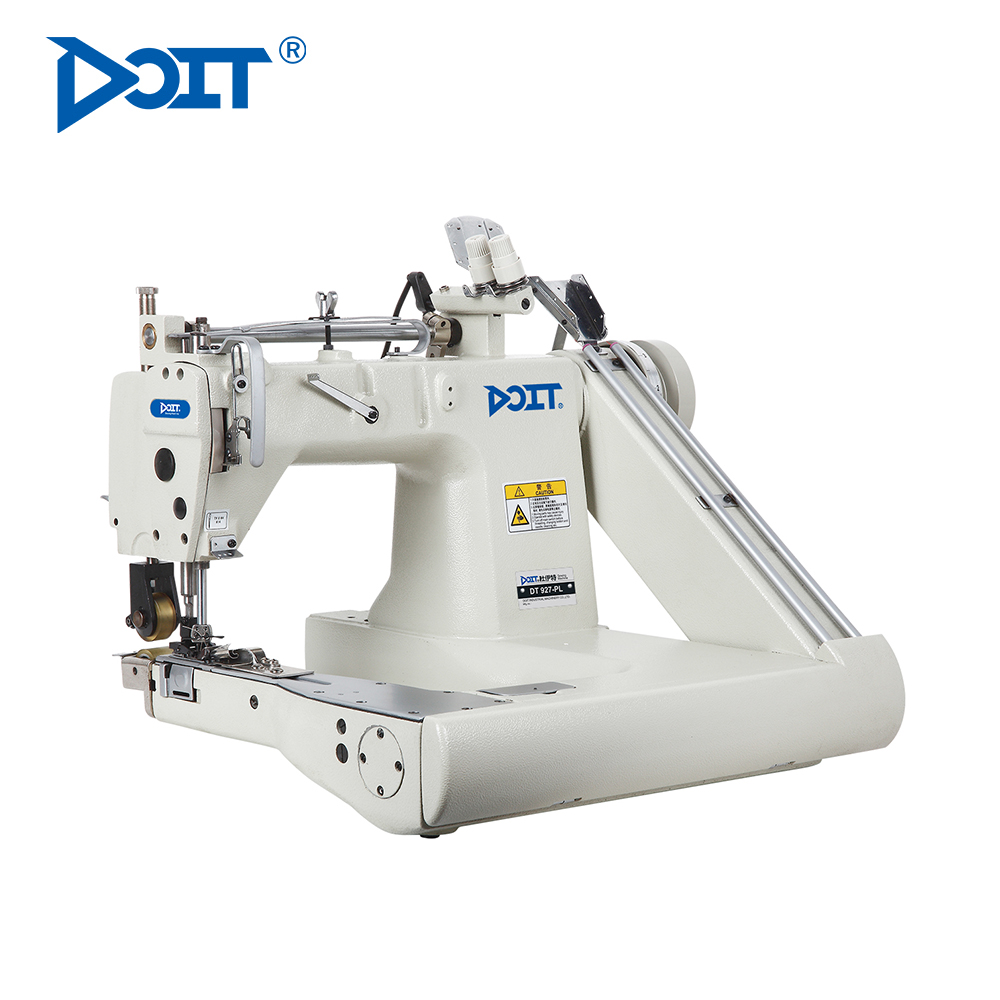
The DOIT difference: DOIT Group manufactures industrial sewing machines that deliver professional-grade performance without the premium price tag. With all-metal construction, direct-drive servo motors saving up to 70% on electricity, and standard 135×17 needle systems for easy parts sourcing, DOIT machines are built for sewists who want their first machine to also be their last.
9. DOIT Group: The Industrial Alternative for Serious Beginners
For beginners who know they're serious—whether for cosplay, garment production, or starting a small business—DOIT Group offers industrial machines that outperform home machines at comparable price points.
Why DOIT stands out for beginners ready to go industrial:
-
All-metal construction: No plastic gears to break or wear out
-
Direct-drive servo motors: Energy-efficient, quiet, and precise speed control
-
15mm presser foot lift: Handles bulky fabrics and multiple layers with ease
-
Automatic lubrication: Reduces daily maintenance
-
Standardized parts: Easy sourcing of needles and accessories
-
2-year warranty: Confidence in product quality
Recommended DOIT models for beginners:
-
DT-3 High-Speed Lockstitch: 4,000 SPM, handles up to 13mm thickness—perfect for general garment construction
-
DT 700-5 Overlock: Industrial walking foot for professional edge finishing on heavy fabrics
-
DT 8800-D4 Direct Drive Lockstitch: Automatic thread trimming, 15mm presser foot lift, and energy-saving servo motor
The DOIT advantage: While home machines are designed for occasional use, DOIT machines are built for continuous production. If you're serious about sewing—whether as a business or a long-term hobby—investing in an industrial machine from the start can save you from outgrowing your equipment in a few months.
10. The Bottom Line: Choose the Machine That Matches Your Future, Not Just Your Present
The Reddit post's dilemma—“I don't want to buy the cheapest one and regret it a few months later, but I also don't want to spend a fortune as a complete beginner”—is the classic beginner's paradox.
The solution: Buy the machine that matches your aspirations, not just your current skill level.
-
If you're unsure about sewing long-term: A $150–$200 Brother or Janome home machine is a safe, low-risk entry point
-
If you know you're serious: Skip the "starter" tier and invest in a quality machine that will grow with you
-
If you plan to sew heavy fabrics or start a business: An industrial machine from DOIT Group is not an expense—it's an investment in your future productivity
The best sewing machine for beginners isn't the cheapest, the most expensive, or the most feature-packed. It's the one that matches your actual needs, fits your budget, and won't hold you back as your skills develop.
Ready to invest in a machine that grows with you? Explore DOIT Group's full range of industrial sewing machines at doitsewingmachine.com.
📩 Email: sales6@chinadoit.cn
🌐 Website: doitsewingmachine.com
Need Help Identifying a Sewing Machine? What to Do When You Inherit a Mystery Machine
From Novice Stitch to Smart Protection: What a Simple Dust Cover Teaches Us About Machine Longevity