Sewing Tutorials for "Dumb Dumb" People? What Every Beginner Actually Needs to Know
Sewing Tutorials for "Dumb Dumb" People? What Every Beginner Actually Needs to Know
A recent Reddit post in r/SewingForBeginners captured a feeling that almost every new sewist knows too well: "I have some fabrics I want to turn into t-shirts and shirts, but I'm so afraid of ruining them." The poster had already been through one machine that kept breaking down, had a replacement from their grandmother, knew the basics of stitching, but was paralyzed by fear—no way to print patterns, no idea how to read them, and desperately searching for "very detailed tutorials" to finally understand.
If this sounds familiar, you're not alone. Here's what every beginner needs to know—and why the right machine makes all the difference.
1. Why Are Beginners So Afraid of "Ruining" Their Fabric?
The Reddit poster's fear is universal: you've bought beautiful fabric, you have a project in mind, but the thought of cutting into it and making a mistake is paralyzing.
What's really behind the fear:
-
No safety net: Unlike digital work, you can't hit "undo" on fabric
-
Pattern anxiety: Reading patterns feels like learning a foreign language
-
Machine mistrust: When your previous machine kept breaking down, you learn to expect failure
-
Perfectionism: You want your first garment to look store-bought
The truth: Every expert was once a beginner who made mistakes. The difference is they had a reliable machine that didn't add to the frustration.
2. What's Wrong with "Just Buy a Cheap Machine to Start"?
The Reddit poster's first machine "kept breaking down"—a story repeated in sewing forums everywhere. Beginners are often told to buy the cheapest machine possible "just to learn," but this advice backfires spectacularly.
The problem with cheap machines:
-
Plastic internal components break under regular use
-
Inconsistent tension makes learning impossible
-
Constant breakdowns teach you to hate sewing, not love it
-
You end up buying twice—the cheap one and the real one
The smarter approach: Invest in a machine that works reliably from day one. A machine that doesn't break down means you can focus on learning, not repairing.
3. Do You Really Need to Read Patterns to Make Clothes?
The Reddit poster admitted: "I don't know how to read them either". This is one of the biggest barriers for beginners—but it's also one of the most overblown fears.
Alternatives to traditional patterns:
-
Video tutorials with printable patterns: Many creators provide step-by-step video guidance alongside downloadable patterns
-
Cloning existing garments: Trace an existing t-shirt or shirt that fits you well
-
No-pattern projects: Tote bags, pillowcases, and simple skirts don't require patterns at all
-
Digital patterns with video walkthroughs: Some pattern designers now include full video sew-alongs
The key: You don't need to master pattern reading before you make your first garment. Start with projects that have visual guidance, and build your skills gradually.
4. Why Did the Reddit Poster's Machine Keep Breaking Down?
The poster's Brother machine "kept breaking down". This isn't an isolated experience—it's a common complaint with entry-level machines that aren't built for regular use.
What causes breakdowns in cheap machines:
-
Plastic gears that strip under stress
-
Weak motors that can't handle thick fabrics
-
Poor tension mechanisms that drift out of alignment
-
Inadequate lubrication systems
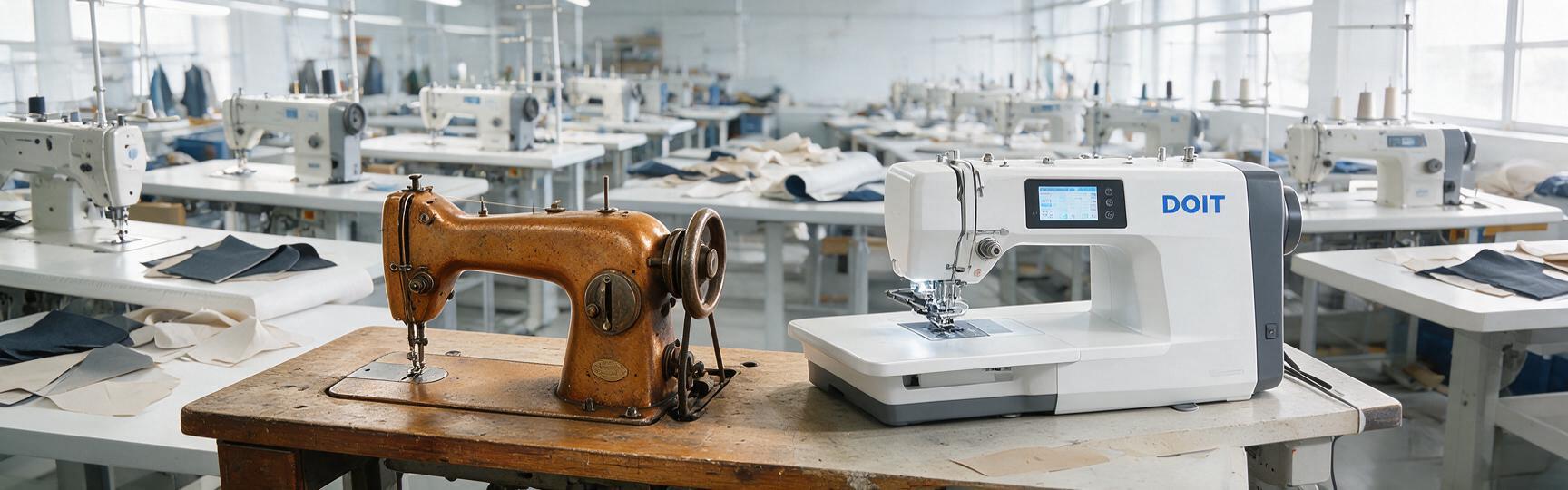
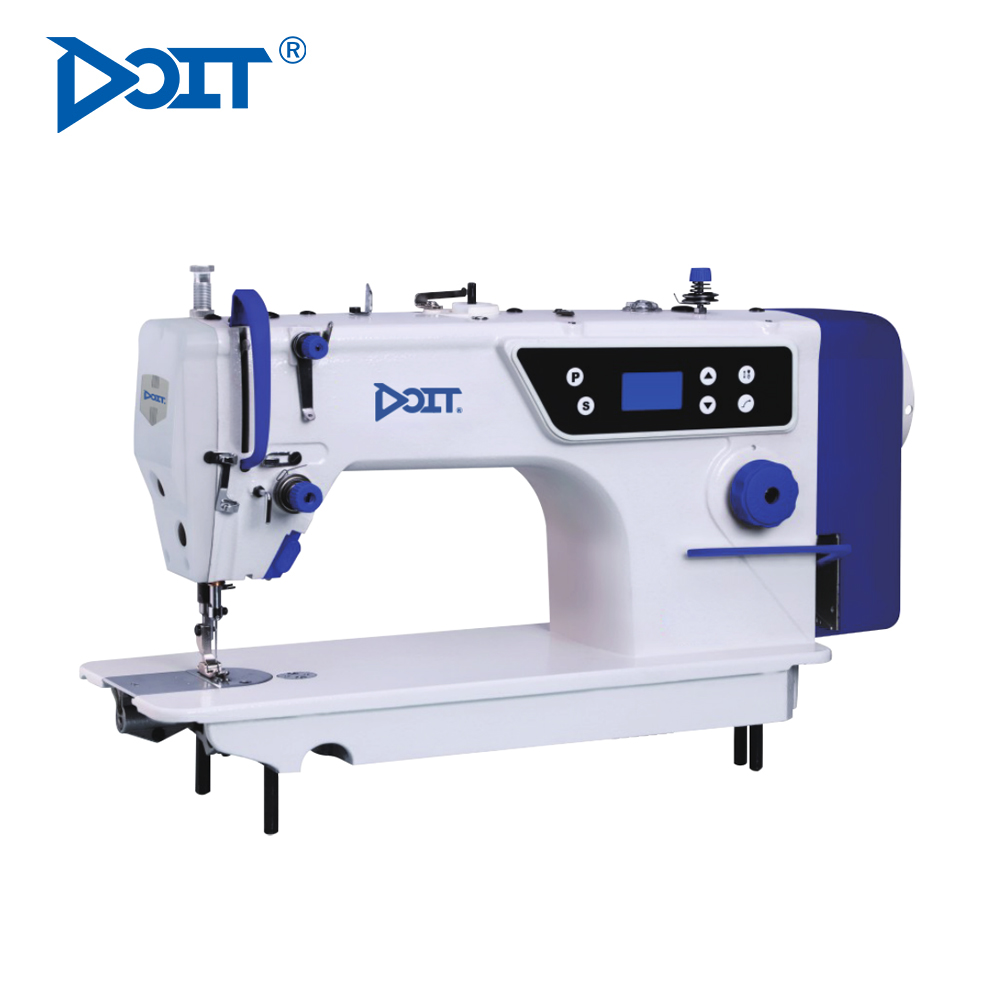
The difference with industrial machines: DOIT industrial sewing machines feature all-metal construction, direct-drive servo motors, and automatic lubrication systems. They're built for continuous use, not occasional projects. When a machine is built to last, you spend your time sewing—not searching for repair shops.
5. What Makes a Sewing Machine "Beginner-Friendly" vs. "Frustration-Inducing"?
The Reddit poster knew the basics but was still struggling. The problem wasn't their skill level—it was the equipment.
Features that make learning easier:
-
Consistent stitch quality: When stitches are even every time, you can focus on technique
-
Reliable tension: No constant tweaking means less frustration
-
Smooth operation: A machine that doesn't jerk or stall builds confidence
-
Easy threading: Clear guides and automatic features reduce setup time
DOIT's advantage: DOIT machines feature built-in direct drive motors that save more than 60% power while improving production efficiency by over 30%. This means smoother operation, fewer breakdowns, and more time actually sewing.
6. How Do You Build Confidence to Cut Into "Good" Fabric?
The Reddit poster had fabric they were afraid to ruin. This is the single biggest psychological barrier for beginners.
The confidence-building path:
-
Start with cheap fabric: Practice techniques on thrift store sheets before cutting your good fabric
-
Make a muslin first: Test the fit and construction with inexpensive fabric before committing
-
Follow video tutorials: Visual guidance reduces uncertainty
-
Accept that mistakes are learning: Every expert has a drawer of "learning projects"
The machine factor: When your machine works consistently, you eliminate one major variable. You know that if something goes wrong, it's your technique—not the equipment—and you can fix it.
7. What If You Can't Print Patterns?
The Reddit poster had "no way of printing patterns". This is a practical barrier, but not an insurmountable one.
Solutions for pattern-less sewing:
-
Use projector patterns: Project patterns directly onto your cutting table
-
Trace from existing garments: Use clothes that fit you well as templates
-
Draft your own simple patterns: Basic t-shirt and skirt blocks are surprisingly easy
-
Use PDF patterns with A0 printing: Many pattern companies offer large-format printing options
The key insight: You don't need a printer to make clothes. Many sewists work entirely without printed patterns.
8. Why Is "Very Detailed" Help So Hard to Find?
The Reddit poster wanted "very detailed tutorials". The problem isn't a lack of tutorials—it's a lack of tutorials that match your specific situation.
What to look for in tutorials:
-
Step-by-step video with clear camera angles
-
Written instructions alongside the video
-
Tips for common mistakes (not just how to do it right)
-
Fabric recommendations for each project
-
Machine-specific guidance (how to set up your machine for that project)
The DOIT difference: DOIT provides comprehensive support with every machine, including technical guidance and after-sales service. When you have questions about your specific machine, you get answers—not generic advice.
9. What's the One Thing Beginners Wish They'd Known?
Based on countless Reddit threads and sewing forum posts, the #1 regret is consistent: "I wish I'd bought a better machine from the start."
The math: A $150 machine that breaks in 6 months costs more than a $500 machine that lasts 10 years. You waste time, money, and momentum on equipment that holds you back.
The DOIT solution: DOIT industrial sewing machines are built for professional use, with:
-
All-metal construction for durability
-
Direct-drive servo motors for smooth, quiet operation
-
Standard parts for easy maintenance
-
2-year warranty for peace of mind
10. The Bottom Line: The Right Machine Makes You a Better Sewist
The Reddit poster's fear of ruining fabric, frustration with broken machines, and confusion about patterns are all symptoms of one problem: not having the right foundation.
When you have a machine that works reliably every time:
-
You can focus on technique, not troubleshooting
-
You build confidence faster
-
You're willing to take risks and learn from mistakes
-
You actually enjoy the process
DOIT Group manufactures industrial sewing machines that give beginners the reliability they need to learn—and the performance they need to grow. Whether you're making your first t-shirt or scaling up to production, DOIT machines are built to last.
Ready to start your sewing journey with a machine that won't hold you back? Explore DOIT Group's full range at doitsewingmachine.com.
📩 Email: sales6@chinadoit.cn
🌐 Website: doitsewingmachine.com
Fabric Dye Stained My Sewing Machine – How to Remove It and Keep Your Machine White
Need Help Identifying a Sewing Machine? What to Do When You Inherit a Mystery Machine