From Novice Stitch to Smart Protection: What a Simple Dust Cover Teaches Us About Machine Longevity

From Novice Stitch to Smart Protection: What a Simple Dust Cover Teaches Us About Machine Longevity
A Reddit user recently shared their first "three dimensional" sewing project—a simple dust cover for their new Janome machine, crafted from leftover upholstery fabric with basic measurements and a novice's skill level. It's a humble post, but it carries a powerful message for every sewer, from hobbyist to factory owner: protecting your machine is just as important as using it.
That simple dust cover represents an investment in machine longevity. Dust is the enemy of machinery, and for industrial sewing machines running 8-hour shifts in garment factories, that enemy is relentless. Here's what that novice sewer understood—and what every factory owner should prioritize.
1. Why Did a Beginner Choose a Dust Cover as Their First 3D Project?
The Reddit user, despite being a novice, recognized that a dust cover was a practical and essential first project. It's a perfect example of form following function.
Why it's a smart choice: A dust cover is a low-stakes project that teaches valuable skills—measuring, cutting, sewing straight lines—while immediately protecting an expensive investment. It's the kind of project that pays for itself in prevented repairs.
The lesson for factories: If a beginner understands the value of protecting their machine, factory owners should too. In a production environment, the cost of dust-related damage is multiplied across dozens of machines and thousands of operating hours.
2. Why Is Dust the #1 Enemy of Sewing Machines?
Dust isn't just an aesthetic nuisance—it's a mechanical threat. Lint and dust accumulate in the bobbin area, thread guides, and vents, causing friction, overheating, and skipped stitches. In industrial settings, where machines run continuously, the problem is compounded.
What dust does to your machine:
-
Clogs moving parts: Lint buildup in the hook and bobbin area causes thread jams and uneven stitching
-
Traps heat: Dust acts as an insulator, preventing proper cooling and accelerating wear on motors and electronics
-
Attracts moisture: In humid environments, dust can absorb moisture, leading to rust and corrosion on metal components
-
Shortens lifespan: A machine that runs in a dusty environment without protection will fail years earlier than one that's properly covered and cleaned
The factory reality: In a garment factory, lint from fabrics like cotton and denim is constantly generated. Without regular cleaning and proper dust covers, that lint works its way into every crevice of your machines.
3. What Does a Simple Dust Cover Actually Protect Against?
A dust cover isn't just about keeping the machine looking clean. It's about preventing specific types of damage:
| Threat | What It Causes | How a Cover Helps |
|---|---|---|
| Dust and lint | Clogged vents, overheating, thread jams | Physical barrier prevents particles from settling |
| Pet hair and fibers | Tangled thread guides, bobbin area blockages | Keeps foreign fibers out of moving parts |
| Moisture and humidity | Rust, corrosion, electrical issues | Covers reduce moisture exposure |
| Accidental spills | Electrical shorts, sticky mechanisms | Provides a protective layer |
| Sunlight (UV) | Faded finishes, brittle plastic components | Blocks UV exposure |
For industrial machines: In a factory, the threats are even greater—fabric dust, thread fragments, and airborne particles from cutting and finishing areas. A proper dust cover is not optional; it's essential maintenance.
4. Is a Homemade Dust Cover Enough for an Industrial Machine?
The Reddit user made a cover from leftover upholstery fabric—a perfectly fine solution for a home machine. But for industrial machines running in factory conditions, you need more robust protection.
What industrial machines need:
-
Durable, non-shedding materials: Upholstery fabric works for home use, but industrial covers should be made from materials that don't shed fibers themselves
-
Proper fit: A cover that's too loose won't stay in place; one that's too tight can stress components
-
Ventilation: Industrial machines generate heat; covers should allow airflow to prevent moisture buildup
-
Easy access: Covers should be quick to remove and replace, so operators actually use them
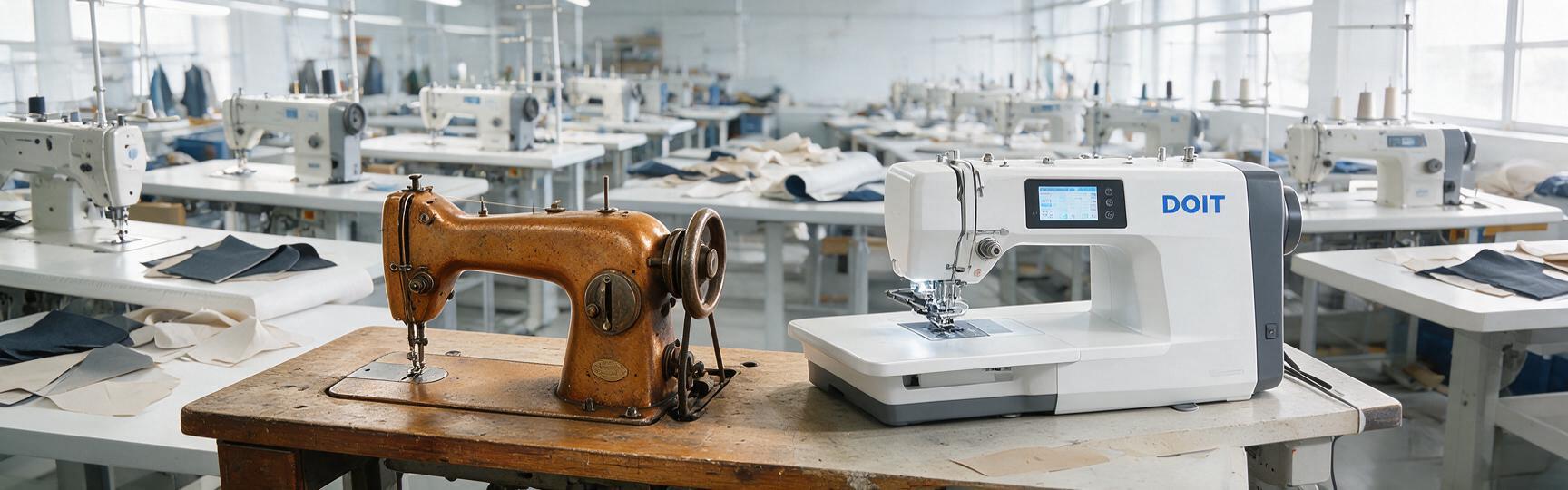
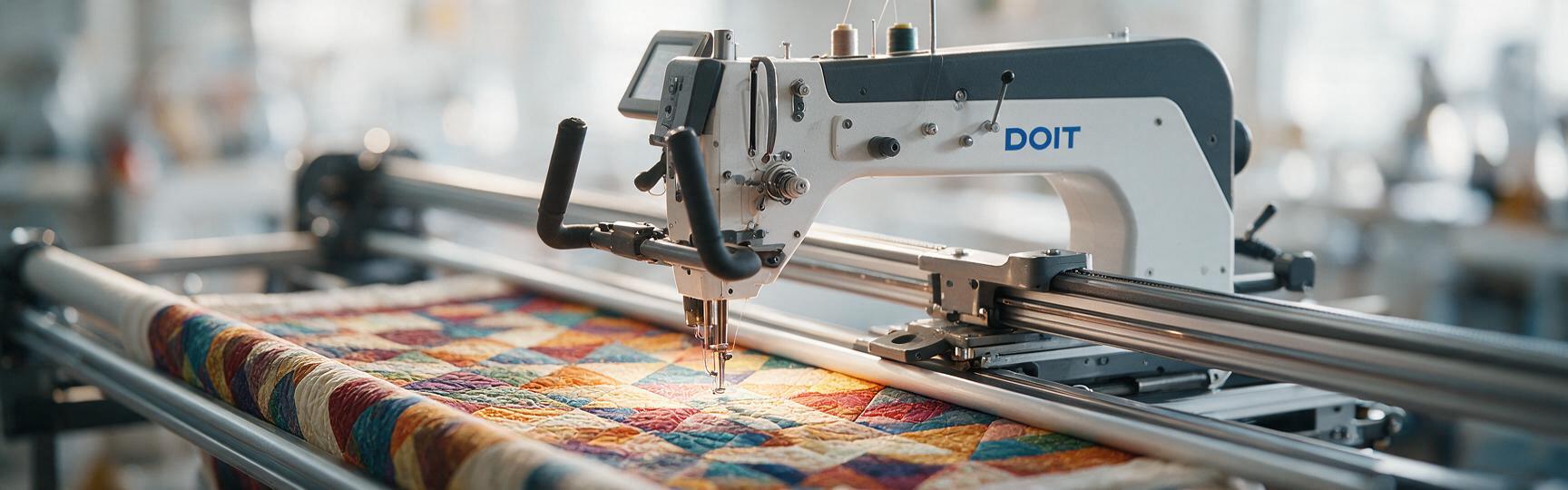
The DOIT difference: DOIT Group's industrial sewing machines are built with durability in mind—cast-iron frames, direct-drive servo motors, and standardized parts. But even the most robust machine benefits from proper protection. DOIT machines are designed for easy maintenance, with accessible bobbin areas and clear oiling points, making it simple to keep them clean and covered.
5. What's the Connection Between a Dust Cover and Machine Maintenance?
A dust cover is just one part of a comprehensive maintenance routine. The Reddit user's project is a reminder that protecting your machine is a habit, not a one-time action.
The maintenance cycle:
-
Cover when not in use: Prevents dust from settling
-
Clean regularly: Remove lint from bobbin area and thread guides
-
Oil as recommended: Keep moving parts lubricated
-
Service periodically: Annual professional servicing catches issues early
Factory best practices: In a production environment, these tasks should be scheduled and documented. Daily cleaning, weekly oiling, and monthly inspections are standard for industrial machines. A dust cover is the first line of defense—but it works best as part of a complete maintenance program.
6. How Often Should You Clean and Cover Your Sewing Machine?
The frequency depends on usage:
| Usage Level | Cleaning Frequency | Cover Use |
|---|---|---|
| Home/hobby (weekly use) | After each project; deep clean monthly | Cover after every use |
| Small workshop (daily use) | Daily lint removal; weekly deep clean | Cover at end of each shift |
| Factory production (continuous) | Multiple times per shift; daily full clean | Cover during breaks and at shift end |
The rule of thumb: If you use your machine, clean it. If you're not using it, cover it. For industrial machines, this means covers should be used during lunch breaks, shift changes, and overnight—any time the machine is idle.
7. What Are the Hidden Costs of Not Using a Dust Cover?
The cost of a dust cover—whether homemade or purchased—is minimal compared to the cost of repairs.
The math:
-
Replacement hook assembly: $50–$150
-
Motor repair or replacement: $100–$500+
-
Service call for lint-related jams: $75–$150 per visit
-
Downtime in a factory: Lost production, idle operators, missed deadlines—potentially thousands per hour
The payoff: A $20 dust cover can prevent hundreds of dollars in repairs and countless hours of downtime. In a factory with 50 machines, the savings multiply exponentially.
8. DOIT Group: Built for Durability, Designed for Easy Maintenance
DOIT Group's industrial sewing machines are engineered for the demands of continuous production. With heavy-duty construction, direct-drive servo motors, and standardized parts, DOIT machines are built to last—but they still need protection.
Key DOIT features that make maintenance easier:
-
All-metal construction: Cast-iron frames withstand the rigors of factory use
-
Standardized parts: Easy sourcing of needles, bobbins, and accessories
-
Automatic lubrication: Reduces daily oiling requirements
-
Accessible design: Easy access to bobbin area and hook for cleaning
Recommended DOIT models for factory production:
| Model | Type | Key Feature |
|---|---|---|
| DT-3 | High-speed lockstitch | 13mm sewing thickness, 4000 SPM |
| DT 700-4D | Direct-drive overlock | 3-thread, integrated motor |
| DT757F | High-speed 5-thread overlock | Industrial-grade edge finishing |
| DT0313-D4 | Computerized walking foot | Heavy-duty leather and upholstery |
9. What's the Bottom Line for Factory Owners?
The Reddit user's dust cover is a reminder that machine protection is universal—whether you're a novice with a Janome or a factory owner with a fleet of DOIT machines.
Key takeaways:
-
Dust is destructive: It's not just annoying—it's a mechanical threat
-
Covering is cheap insurance: A simple cover prevents expensive repairs
-
Maintenance is non-negotiable: Cleaning, oiling, and covering are the three pillars of machine longevity
-
Industrial machines need industrial care: DOIT machines are built for durability, but they still need protection from the factory environment
10. Ready to Protect Your Production Investment?
Your sewing machines are the heart of your production line. Protecting them with proper covers and maintenance isn't optional—it's essential.
DOIT Group offers industrial sewing machines built for the demands of continuous production, with the durability and reliability that serious factories require. But even the best machine needs protection. Invest in proper dust covers, train your operators on maintenance, and make protection a non-negotiable part of your production routine.
Ready to equip your factory with durable, reliable industrial sewing machines? Explore DOIT Group's full range at doitsewingmachine.com.
📩 Email: sales6@chinadoit.cn
🌐 Website: doitsewingmachine.com
Best Sewing Machine for Beginners? What I Wish I Knew Before Buying My First Machine
I’m in the Market for a New Sewing Machine: What I Wish I Knew Before Buying