I’m in the Market for a New Sewing Machine: What I Wish I Knew Before Buying
I’m in the Market for a New Sewing Machine: What I Wish I Knew Before Buying
A quilter with 12 years of experience recently turned to Reddit for advice. They had narrowed their choices down to two popular models but were haunted by a painful lesson: they'd bought a Singer Heavy Duty in an emergency, hated it from day one, and now desperately wanted a machine that was actually good quality.
Their story is a cautionary tale that every serious sewer—especially quilters working on full-sized projects—needs to hear. Here’s what they learned the hard way, and what you should know before making your next investment.
1. The Singer Heavy Duty Trap: Why "Heavy Duty" Doesn’t Mean Quality
The Reddit user’s experience is painfully common: “I have hated it since it came out of the box”. Their machine suffered from a crappy bobbin winder, constant bobbin throw up, and inaccurate stitching.
Why this happens: Many “heavy-duty” home machines use plastic internal components that wear out quickly under real workload. They’re marketed for heavy fabrics but aren’t built for the continuous, precise demands of quilting or production sewing.
The takeaway: Don’t confuse marketing labels with genuine durability. A machine that seems heavy-duty but fails on basic stitch accuracy will cost you far more in frustration and wasted materials than you saved on the purchase price.
2. What "Good Quality" Actually Means for a Sewing Machine
The Reddit user laid out exactly what they needed:
-
Very little error or issues
-
Accurate and consistent stitch quality
-
No crappy bobbin winder
-
Ability to quilt a full-sized blanket without a massive headache
-
Sturdy construction that lasts a long time
What this translates to in technical terms: all-metal internal construction (no plastic gears), a powerful motor that doesn’t stall on thick layers, a reliable feed system that moves fabric evenly, and precision engineering that keeps stitch quality consistent from the first seam to the thousandth.
3. Straight Stitch Only: Is That a Dealbreaker?
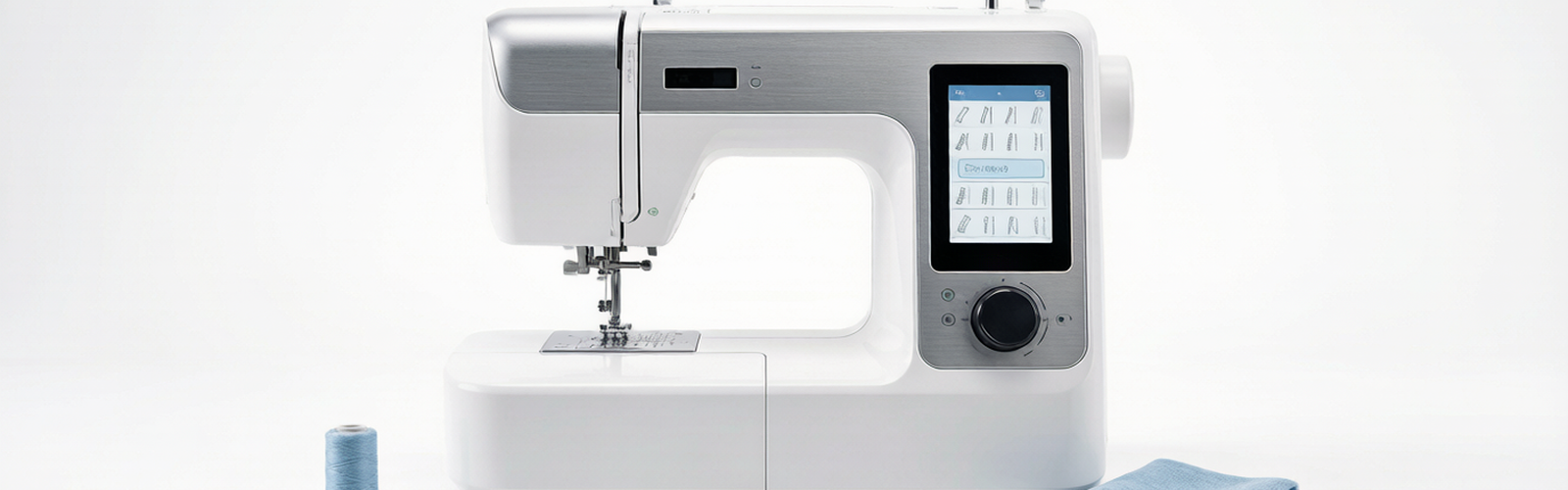
The Reddit user’s only hesitation with the Juki TL2010Q was that it’s “straight stitch only… while I do not currently use any decorative stitches, who knows what I might want to do in the future”.
The honest answer: For quilting, garment construction, and most serious sewing, a perfect straight stitch is 90% of what you need. Decorative stitches are nice to have, but they’re rarely used in production work. The trade-off is that machines focused on straight stitch quality typically have stronger construction and fewer components that can fail. As the user wisely noted: “with more bells and whistles there are typically more chances to run into inconsistencies or issues”.
4. The Bells and Whistles Trap: Why Simplicity Often Wins
The Baby Lock Allegro tempted the Reddit user with “more bells and whistles”. But they recognized the trade-off: more features mean more things that can break.
What experienced sewists know: A machine that does one thing exceptionally well—produce a perfect, consistent straight stitch—is far more valuable than a machine that does 100 things poorly. For quilters and garment makers, reliability trumps versatility every time.
5. The Industrial Alternative: Why Serious Sewists Are Switching
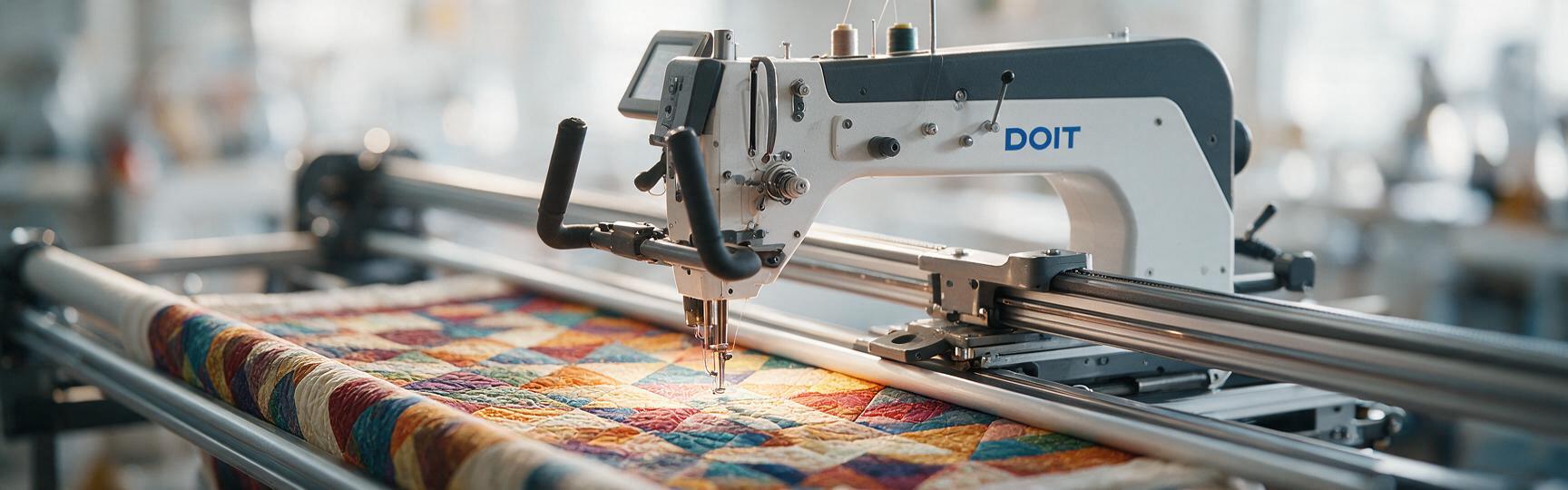
The Reddit user wanted a machine that could handle full-sized quilts and potentially attach to a Gracie frame for long-arming at home. These are demands that push home machines to their limits.
The solution: Industrial sewing machines are built for exactly this kind of work. They feature all-metal construction, powerful motors, and feed systems designed for continuous, heavy-duty use. While the Reddit user was comparing high-end home machines, many serious sewists are discovering that entry-level industrial machines offer better value, greater durability, and superior stitch quality at similar price points.
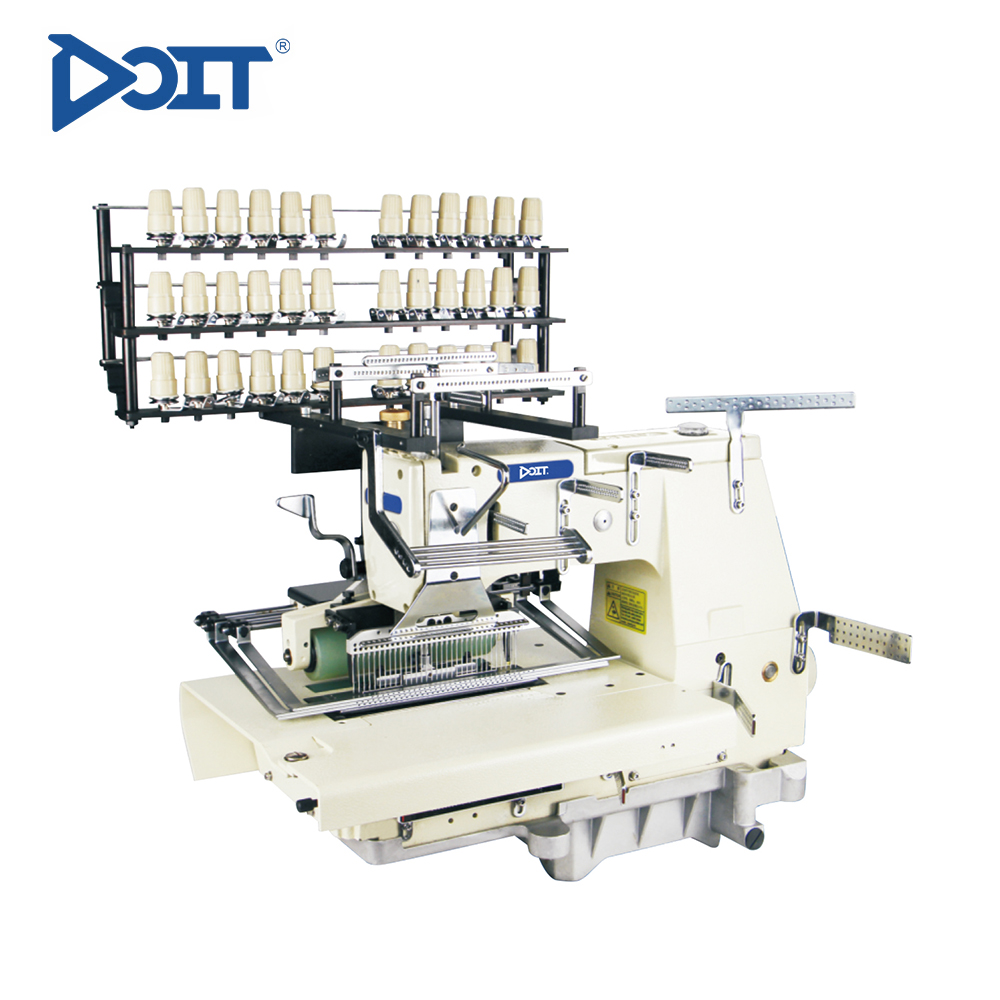
6. DOIT Group: Industrial-Grade Quality Without the Industrial Price Tag
For sewists who want the durability and precision of an industrial machine without the premium price of Japanese brands, DOIT Group offers a compelling alternative.
Why DOIT stands out:
-
All-metal construction: No plastic gears to break or wear out
-
Direct-drive servo motors: Save up to 70% on electricity and run quieter than traditional clutch motors
-
15mm presser foot lift: Handles bulky quilts and multiple layers with ease
-
Automatic lubrication: Reduces daily maintenance
-
Standardized parts: Easy sourcing of needles and accessories
7. Key DOIT Models for Quilters and Serious Sewists
DT 5550 High-Speed Single-Needle Lockstitch
-
5,000 stitches per minute—far faster than any home machine
-
Handles knitwear, cotton, and medium-thickness materials
-
Two-way feeding and automatic oil supply
-
Ideal for general garment construction and quilting
DT 8800-D4 Direct Drive Lockstitch with Auto-Trimmer
-
Direct-drive servo motor for energy efficiency
-
15mm presser foot lift for bulky seams
-
Automatic thread trimming
-
Lower noise and easy operation
DT 700-5 High-Speed 5-Thread Overlock
-
Industrial walking foot for heavy fabrics
-
400W power for demanding applications
-
Professional edge finishing
8. What to Look for in a "Lasts a Lifetime" Machine
Based on the Reddit user’s criteria and industry best practices, here’s your checklist:
| Criteria | What to Look For |
|---|---|
| Build quality | All-metal internal construction, cast-iron frame |
| Stitch consistency | Test on multiple fabric types; stitch quality should not vary |
| Bobbin system | Reliable winder, smooth feed, no “bobbin throw up” |
| Motor power | Enough torque to handle thick layers without stalling |
| Presser foot lift | At least 13–15mm for bulky quilts and multiple layers |
| Parts availability | Standard needle system (e.g., 135×17) for easy sourcing |
| Warranty | Minimum 1 year on parts, 2 years on motor |
9. The Bottom Line: Invest in the Machine That Won’t Let You Down
The Reddit user’s story ends with a powerful resolution: “I told myself the next machine I buy HAS to be good quality and meet my needs”. After years of frustration with a machine they hated, they were ready to make a smart investment.
The lesson for you: Don’t settle for a machine that might work. Invest in one that’s built to work—day after day, project after project. Whether you’re quilting full-sized blankets, sewing garments, or running a small production line, the right machine makes all the difference.
10. Ready to Upgrade? Explore DOIT Group’s Industrial Solutions
If you’re tired of fighting with a machine that doesn’t deliver, it’s time to consider industrial-grade equipment. DOIT Group offers a full range of lockstitch, overlock, and specialty machines built for the demands of serious sewists and small manufacturers.
-
All-metal construction for durability
-
Direct-drive servo motors for energy efficiency
-
Standard parts for easy maintenance
-
Competitive pricing without compromising quality
Ready to invest in a machine that will last? Explore DOIT Group’s full range at doitsewingmachine.com.
📩 Email: sales6@chinadoit.cn
🌐 Website: doitsewingmachine.com
From Novice Stitch to Smart Protection: What a Simple Dust Cover Teaches Us About Machine Longevity
Is Getting an Industrial Sewing Machine as a First Sewing Machine Bad?